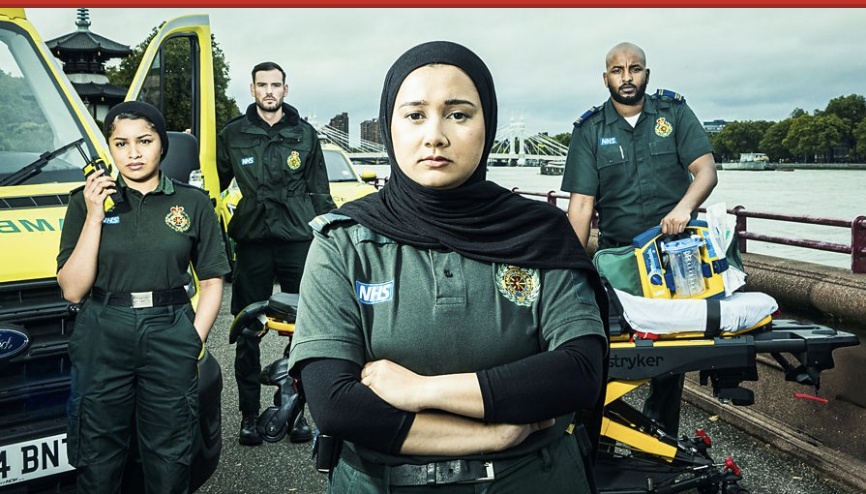
A new series of long-running BBC documentary programme”Ambulance”is currently available on BBC One and BBC iPlayer.
Ambulance follows a number of emergency ambulance crews and their control room dispatch teams as they respond to large number of emergency calls.
See – BBC programme page and iPlayer link.
In the past I reviewed related TV series such as 999: Critical Condition, which dealt with the hospital crews handling emergency patients. Ambulance provides a different perspective on emergency care, tracking the period of time before patients can be delivered to hospital.
The breadth of Ambulance is quite comprehensive: each of the 13 series (series 1 aired in late 2016) is recorded on location in one of four regions of the UK (London, West Midlands, North West and North East), covering a large part of the UK population. Given the timespan, the series also provides a social commentary on the UK in recent years – mental health crisis, Covid-19, rise in knife crime, cost of living.
The issues facing the ambulance crews vary from region to region, with violent crime, drunkenness, and homelessness more prevalent in certain cities than others. However, what surprised me the most is how the ambulance crews often need to plug the gap in social care, with many of the patients they visit in need of help for carrying out simple tasks, and often just requiring someone to talk to.
The paramedics answer calls without knowing exactly what awaits them, besides the information the control room was able to collect from the emergency call. Many of the locations visited are in deprived areas or in households where patients, often elderly, and their families urgently require assistance. The paramedics often comment during the documentary that a great part of their service to patients involves listening, talking and reassuring.
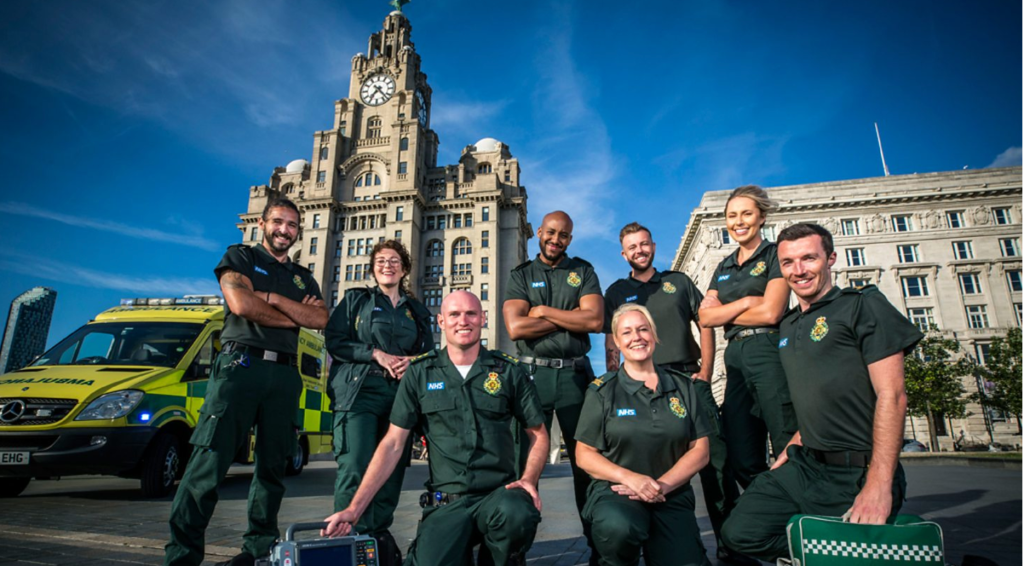
This human aspect of their work, I think, is not always appreciated by those who have not been involved in an emergency. Visits often take several hours – until the patient agrees to be taken to hospital or health indicators fall back to normal levels, allowing the crew to exit the scene. Sometimes the emergency scene evokes a lot of emotions for the parademics, as they relate the suffering of patients to traumatic events from their own past.
The programme can be distressing at times, for example when cardiac arrests cannot be reversed. Just like for other healthcare professionals, the ambulance crews can feel the weight of the responsibility, with patients and their families putting their life in their hands. No matter how much experience a paramedic has, it must be incredibly difficult to inform a family member that the patient could not be saved.
The series also looks at the management side in the control room. Calls need to be sorted according to categories of urgency and the relatively small number of ambulances are dispatched based on the type of emergency and location. There are many protocols in place and certain emergencies require multiple crews, putting more even pressure on limited resources. Moreover, certain scenarios, like scenes of violent crime, may require ambulance crews to hold back until police have secured the scene. In some cases, ambulance staff are forced to request police assistance when passers-by become aggressive.
Ambulance made me realise that the general public takes emergency services for granted – we expect them to appear on scene immediately, without thinking of the amount of work behind the scenes to provide this service.
Particularly disappointing was the level of abuse the control room staff had to endure from callers; some may be explained by the emergency situation that may have impaired the callers’ normal politeness, but in many cases the shouting and choice of expletives was outrageous.
There are lighter moments, for example ambulance crews discussing their life outside of work, or patients being driven to hospital talking about their life, making light of their illness and teasing the ambulance staff.
The series does not discuss what happens to patients once they reach hospital, except for some very brief updates towards the end of each episode. However, we know that by that stage, the patients have already enjoyed a compassionate and personalised service by the ambulance crew.
I really enjoyed watching many of the episodes available on iPlayer – they provide an insight into a key component of our social fabric and makes for compelling viewing.

 Meddie
Leave a comment